Why Great Packaging Design Isn’t Just About Looking Good
Walk through any grocery store and you’ll notice something interesting. Some products look beautiful up close, but completely disappear on shelf.
Others might not win design awards, yet they consistently grab attention, communicate quickly, and make people buy. That’s because great packaging design isn’t just about aesthetics. It’s about performance.
In retail, packaging has a job to do. And that job starts long before someone picks the product up.
Packaging Is a Sales Tool First
A consumer shopping in a retail environment is not studying packaging the way a designer does. They’re scanning. Quickly.
Most purchase decisions happen in just a few seconds, surrounded by dozens of competing products fighting for attention at the same time. Your packaging needs to work in that environment.
It needs to:
grab attention
communicate what the product is
explain why it matters
differentiate from competitors
make the product feel worth buying
All before the shopper moves on. A package can be visually stunning and still fail at all of those things.
The Biggest Mistake Brands Make
One of the most common mistakes we see is brands over-prioritizing aesthetics while under-prioritizing communication.
This usually happens when packaging is designed around:
founder preference
design trends
minimalism for the sake of minimalism
trying to look “premium”
copying competitors
The result is packaging that looks polished in a presentation or on Instagram, but struggles in an actual retail environment.
Retail shelves are noisy. Consumers are distracted. Clarity almost always outperforms cleverness.

Packaging systems designed to help consumers quickly identify product type, flavor, and key benefits at shelf.
Great Packaging Communicates Fast
Strong packaging design creates visual hierarchy. It guides the consumer’s eye to the most important information first.
That means shoppers should immediately understand:
what the product is
what flavor or variety it is
why it’s different
what benefit it provides
who it’s for
The best packaging systems make this feel effortless. When hierarchy is weak, consumers are forced to work harder to understand the product. Most won’t.
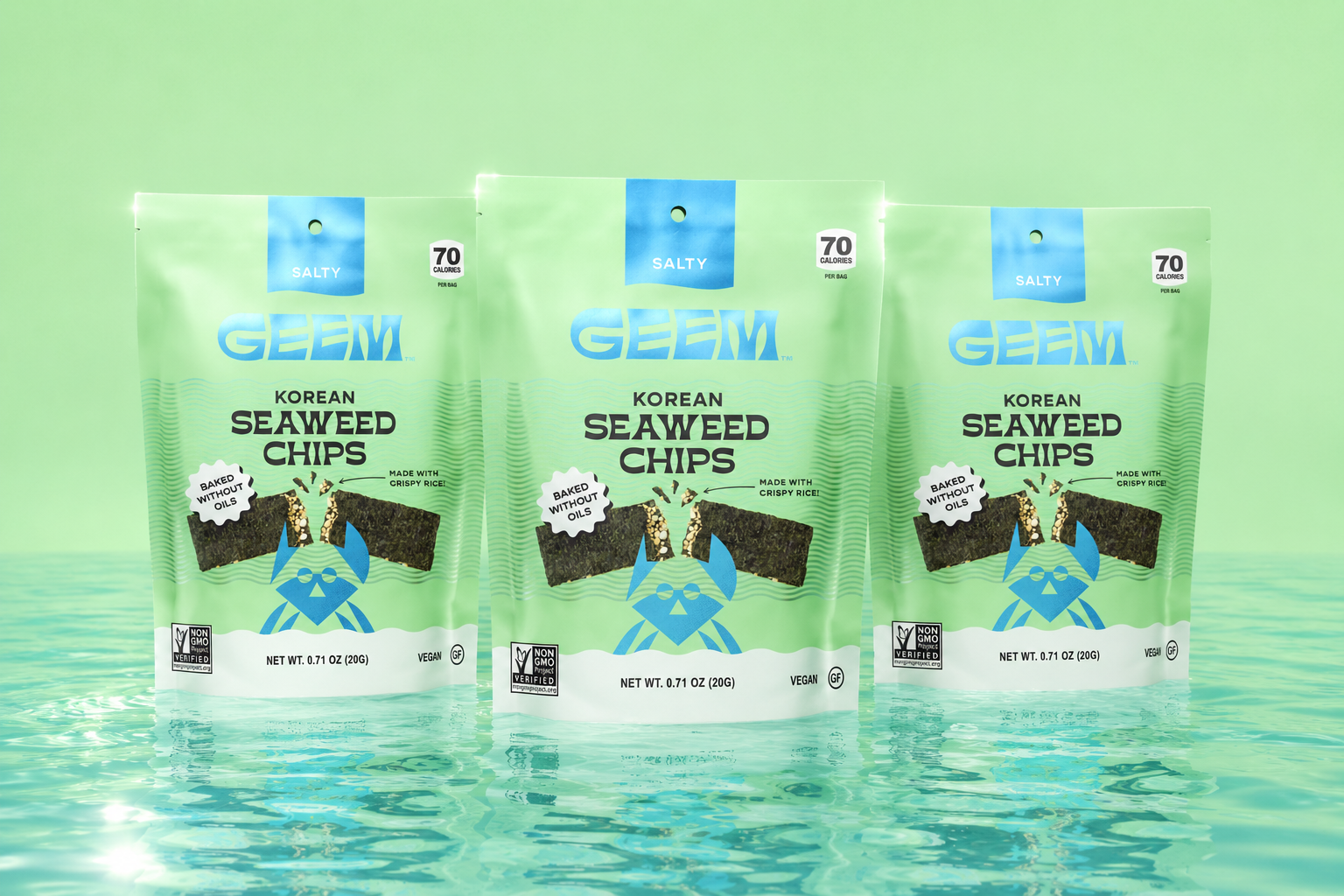
Product imagery provides clarity and appetite appeal on packaging.
Product Visibility Matters More Than Many Brands Realize
One thing we consistently see brands underestimate is the importance of showing the actual product.
Consumers want reassurance. Especially in food and beverage, appetite appeal plays a huge role in purchasing decisions. People often buy with their eyes first.
That doesn’t mean every package needs large product photography. But consumers should quickly understand what they’re getting, whether through imagery, windows, illustrations, texture cues, or other visual signals.
If a shopper has to stop and decode the packaging, you’re already losing momentum.
Shelf Impact Is Different Than Digital Design
A package might look incredible when viewed large on a screen. But retail is experienced from several feet away.
That changes everything.
Typography, contrast, color blocking, flavor differentiation, and hierarchy become much more important at distance.
This is why some highly detailed or ultra-minimal packaging systems struggle at shelf. They weren’t designed for the actual viewing conditions consumers experience in stores.
Great packaging considers the shelf environment from the beginning, not as an afterthought.
Packaging Should Support Growth
As brands scale, packaging has to do more than look good.
It needs to support:
new product launches
SKU expansion
retailer navigation
customer trust
brand recognition
operational consistency
The strongest packaging systems are flexible enough to grow with the business while remaining recognizable and easy to shop.
That’s where strategic packaging design becomes incredibly valuable.
Design Still Matters, Just Differently
None of this means aesthetics are unimportant. Great design absolutely matters. But the best packaging design balances beauty with clarity, strategy, and performance.
The goal isn’t simply to create packaging that designers admire. The goal is to create packaging that consumers notice, understand, remember, and buy. Because in retail, good-looking packaging is only the starting point.