How to know the difference between a packaging refresh, a brand evolution, and a complete rebrand.
A rebrand is one of the biggest investments a growing CPG company can make.
Done well, it can reposition your business, attract new customers, strengthen retail relationships, and create a foundation for future growth.
Done for the wrong reasons, it can be an expensive distraction that confuses loyal customers and fails to solve the real problem.
One of the first things we tell prospective clients is something that surprises them:
Not every brand needs a rebrand.
Sometimes the problem is packaging. Sometimes it's messaging. Sometimes it's distribution. Sometimes it's simply that the business has evolved while the brand has remained the same.
The key is understanding which problem you're actually trying to solve.
A rebrand isn't just a new logo
One of the biggest misconceptions we hear is that rebranding means designing a new logo, choosing new colors, and updating a website.
Those are visual outcomes of a rebrand—not the rebrand itself.
A true rebrand starts by asking strategic questions.
Who are we trying to reach?
What do customers actually value?
How are we different from everyone else in the category?
What should our brand stand for?
Where do we want this business to be in five years?
Only after those questions are answered should the visual identity evolve.
Without strategy, you're simply redecorating.
Five signs it might actually be time to rebrand
1. Your brand no longer reflects the quality of your product
This is probably the most common reason we see.
The product has improved. The company has matured. The team has grown.
But the branding still feels like something created when the business first launched.
When customers experience premium quality but see amateur branding, trust breaks down before they even try the product.
A brand should rebrand when its current identity no longer reflects the quality of the product or supports where the business is trying to go.
2. You've outgrown your original positioning
Many brands launch by appealing to everyone. As they grow, they learn who their best customers actually are. Sometimes that insight only comes after years of selling.
If you've discovered that your messaging isn't connecting with the customers you most want to attract, it may be time to rethink more than your packaging.
It may be time to rethink your positioning.
3. Your product line has become inconsistent
One product becomes three. Three become twelve.
Eventually every new SKU feels like it belongs to a different company. This isn't uncommon for growing food and beverage brands.
A strong brand system should make expansion easier, not harder.
If launching a new flavor feels like reinventing the wheel every time, your identity system may have reached its limits.
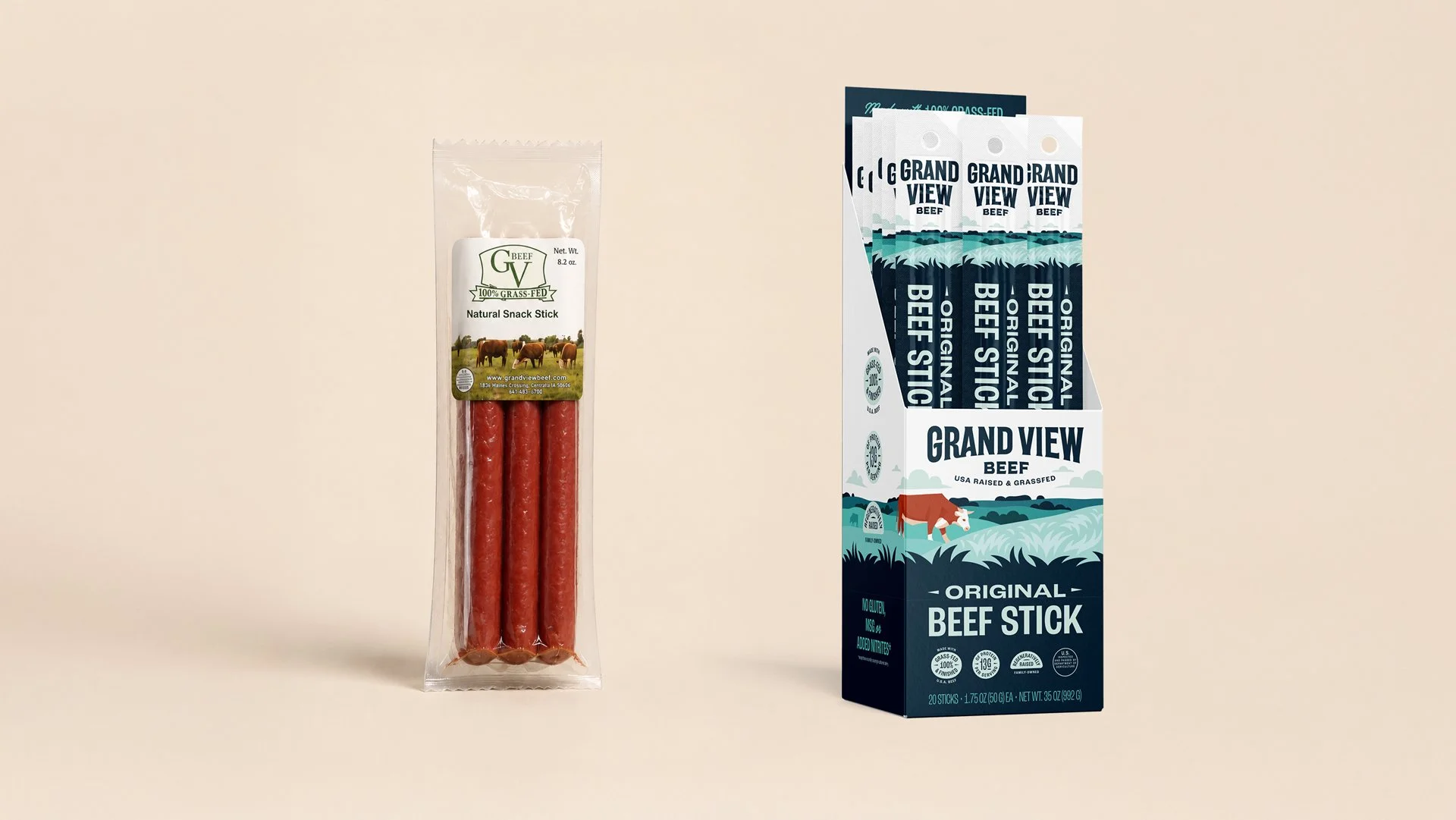
4. You're entering a new stage of growth
The branding that helped you launch isn't always the branding that helps you scale.
Selling at local farmers markets is different from pitching regional grocery chains. Regional retail is different from national distribution.
As expectations change, your brand has to communicate confidence, professionalism, and consistency at a much higher level.
Sometimes that means evolution. Sometimes it means a complete reset.
5. Customers don't understand what makes you different
If your product genuinely offers something unique—but customers can't quickly explain why—that's often a branding problem.
A rebrand isn't about looking prettier. It's about making your differentiation obvious.
The strongest brands communicate their value in seconds.
When you probably don't need a rebrand
This part is just as important. Not every challenge requires starting over.
For example:
Sales declined because you lost distribution.
You're simply tired of looking at your own logo.
Your website feels dated.
One package isn't performing as well as the rest of the lineup.
Your packaging could communicate more clearly without changing the underlying brand.
Sometimes a packaging redesign solves the problem. Sometimes refining your messaging is enough.
Sometimes your customers are only beginning to recognize your existing brand, and changing everything would actually make growth harder.
We've even worked with companies that initially hired another agency because the price was lower, only to come back later because the work lacked strategic thinking or required them to direct every creative decision themselves. The issue wasn't that they needed another rebrand. They needed a partner who understood the business problem the brand was supposed to solve.
Brand refresh vs. complete rebrand
These terms are often used interchangeably, but they shouldn't be.
Brand Refresh
A refresh assumes the core strategy is still working.
The positioning remains relevant. Customers still connect with the brand. The updates are evolutionary.
You might refine the logo, modernize typography, improve packaging architecture, or simplify the visual system while keeping recognizable brand equity intact.
Complete Rebrand
A rebrand happens when the underlying strategy is no longer serving the business.
Perhaps you've learned your ideal customer is different than you originally thought. Maybe your messaging isn't resonating. Maybe you've entered a completely different market than where you started.
A true rebrand reexamines everything:
Positioning
Messaging
Brand personality
Visual identity
Packaging system
Customer experience
It's less about creating a new look and more about creating a new direction.
The best rebrands begin with listening, not designing
The strongest brands aren't built by guessing what looks good. They're built by understanding customers, competitors, market opportunities, and business goals before a single concept is created.
That's why every branding project we take on starts with strategy.
Sometimes that process confirms a company needs a complete rebrand. Sometimes it reveals that a targeted packaging redesign or brand refresh will accomplish the goal without rebuilding everything.
The important thing is making the right decision, not the biggest one.
Thinking about a rebrand?
If your brand has grown, your product has evolved, or you're questioning whether your current identity still represents where your business is headed, the first step isn't choosing colors or redesigning a logo.
It's understanding whether the brand itself is still aligned with your customers and your goals.
A thoughtful evaluation today can save months of unnecessary work, and ensure that when you do invest in your brand, you're solving the right problem.